Best AI Story Generators 2025


Best AI Story Generators 2026:
Honest Reviews After Actually Using Them
Seven tools, real limitations, no fabricated author quotes. Who each one is actually for — and who should skip it entirely.
Here’s the thing nobody tells you when you start shopping for an AI writing tool: most of them are the same two or three APIs (GPT, Claude, Gemini) wrapped in different UX with a different monthly fee attached. That’s not cynicism — it’s just true, and it saves you money to know it upfront.
The ones worth paying for are genuinely specialized. They’ve built something on top of the foundation model — memory systems, narrative consistency layers, genre-specific fine-tuning — that you can’t get by just opening a browser tab to ChatGPT and typing a prompt. Whether that’s worth $20 or $50 a month depends entirely on what you’re actually trying to do.
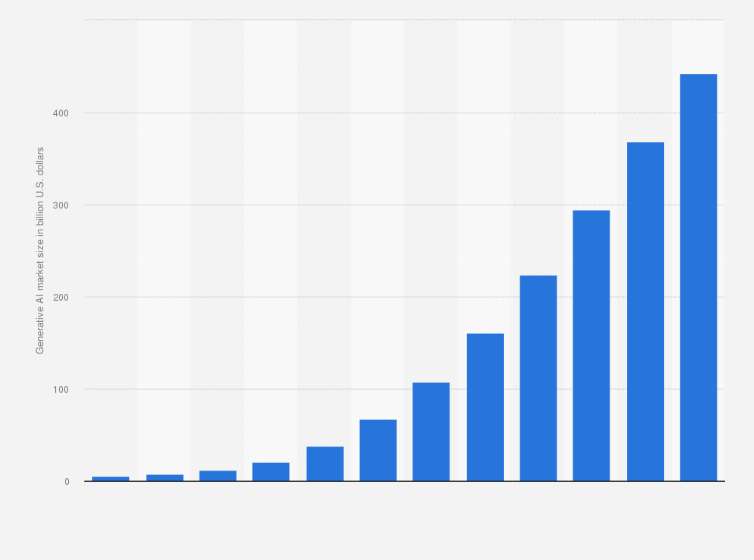
I’m going to tell you which tool is for which use case, what it genuinely does better than the alternatives, and — this is the part that gets skipped in every other roundup — what it won’t tell you about itself. The AI writing tool market hit an estimated $14.8 billion in generative AI content creation in 2024, growing at 32.5% annually. There’s a lot of money moving through this category. That means a lot of marketing. Let’s cut through it.
- What’s actually happening in this market
- Sudowrite — for fiction writers in active production
- NovelAI — for genre fiction and creative chaos
- ChatGPT — for beginners and versatility
- Jasper — for marketing teams, not for stories
- Claude — for editing and iteration, not raw generation
- Rytr — for short-form content at volume
- Quick comparison table
- The legal situation you need to know about
- Who should skip AI story generators entirely
01 —What’s Actually Happening in This Market
The AI writing assistance market isn’t one market. There are at least three:
Fiction writing tools (Sudowrite, NovelAI, NovelCrafter) — purpose-built for long-form narrative, with features like world-building memory, character consistency, and scene expansion. This is a niche market with users who care intensely about output quality.
Marketing copy tools (Jasper, Copy.ai) — optimized for conversions, SEO, and brand voice replication. Different problem, different output characteristics. People confuse these with fiction tools constantly.
General-purpose LLMs with writing capability (ChatGPT, Claude, Gemini) — versatile but unspecialized. Excellent starting points. Not the final word on anything.
Grand View Research
Market Report Analytics
Market Report Analytics
Grand View Research
One development that isn’t getting enough coverage: NaNoWriMo shut down in April 2025 after 25 years, following a controversy over its AI stance. The writing community has fractured into smaller online groups. Amazon KDP tightened AI disclosure enforcement in 2025–2026, with automated detection and a three-book-per-day self-publishing limit. These aren’t abstract regulatory trends. They directly affect anyone using AI writing tools for commercial fiction.
Legal situation — read this first
In June 2025, U.S. District Judge William Alsup ruled in Bartz v. Anthropic PBC that using copyrighted books to train LLMs was “transformative — spectacularly so,” favoring Anthropic on fair use grounds. However, the Thomson Reuters v. ROSS Intelligence ruling went the opposite direction earlier in 2025, finding that AI training on copyrighted headnotes was not protected by fair use. The law here is genuinely unsettled. Outputs from any of these tools may contain echoes of copyrighted material. For commercial use — especially fiction — run anything substantive through a plagiarism checker.
02 —Sudowrite
Free trial available
Sudowrite is the most specialized tool on this list — and therefore the one with the highest ceiling and the steepest learning curve. It runs a multi-model stack including GPT-4.1, Claude Opus, and Gemini Pro 2.5, with its own narrative processing layer on top. The result, per a 12-month independent review published January 2026, is that its proprietary Muse model is “the best AI model I have ever seen for creative writing” — specifically for understanding logical consistency within a scene.
The Story Bible feature is the real differentiator. It maintains persistent information about characters, world-building, and plot logic across your entire project, which means the AI doesn’t forget that your antagonist has a limp by chapter eight. That sounds basic. It is basic. Most tools still don’t do it reliably.
In blind tests comparing Muse 1.5 (launched June 2025) against Claude 3.7 Sonnet, Sudowrite was preferred 2:1 for fiction prose. That’s a notable gap — enough to matter if you’re spending hours a day in the tool.
The weakness no one mentions: per DreamGen’s comparative analysis, Sudowrite “often struggles with non-fiction research and lacks a robust export engine for professional publishing.” It’s also useless if you’re writing marketing copy. This is a tool with a very specific job. If that’s your job, it’s good at it.
03 —NovelAI
Very limited free trial
NovelAI is ideologically different from Sudowrite. Where Sudowrite says “let us guide your novel,” NovelAI says “here are the dials — do whatever you want.” It uses proprietary models (Kayra being the current main one), with adjustable randomness, repetition penalty, and custom AI Modules you can train on your own writing or specific genre styles.
That flexibility is genuinely useful if you know what you’re doing. If you don’t, it will generate creative chaos and you’ll spend twenty minutes figuring out which lever to adjust. The interface is famously functional-over-pretty. It integrates image generation. Its Lorebook is a solid world-building tool, though independent comparison reviews find it less sophisticated than Sudowrite’s Story Bible for maintaining complex plot logic.
The honest user feedback is worth sharing. DreamGen’s user review aggregation shows a consistent split: people like the uncensored outputs and unlimited paid tier. They’re frustrated by model quality gaps compared to GPT-based tools and by relatively slow development pace. That hasn’t changed much since 2024.
Best fit: fantasy and sci-fi writers who want fine-grained control, fanfic writers who need uncensored outputs, anyone building an interactive fiction project with visual elements.
“The tools worth paying for have built something real on top of the foundation model — memory systems, narrative layers, genre fine-tuning. The ones not worth paying for are just API wrappers with a landing page.”
Editorial synthesis — sources: Nerdynav Sudowrite Review (January 2026); DreamGen Comparative Analysis (August 2025); NavioHQ AI Story Generator Review (March 2026)
04 —ChatGPT
Plus at $20/mo
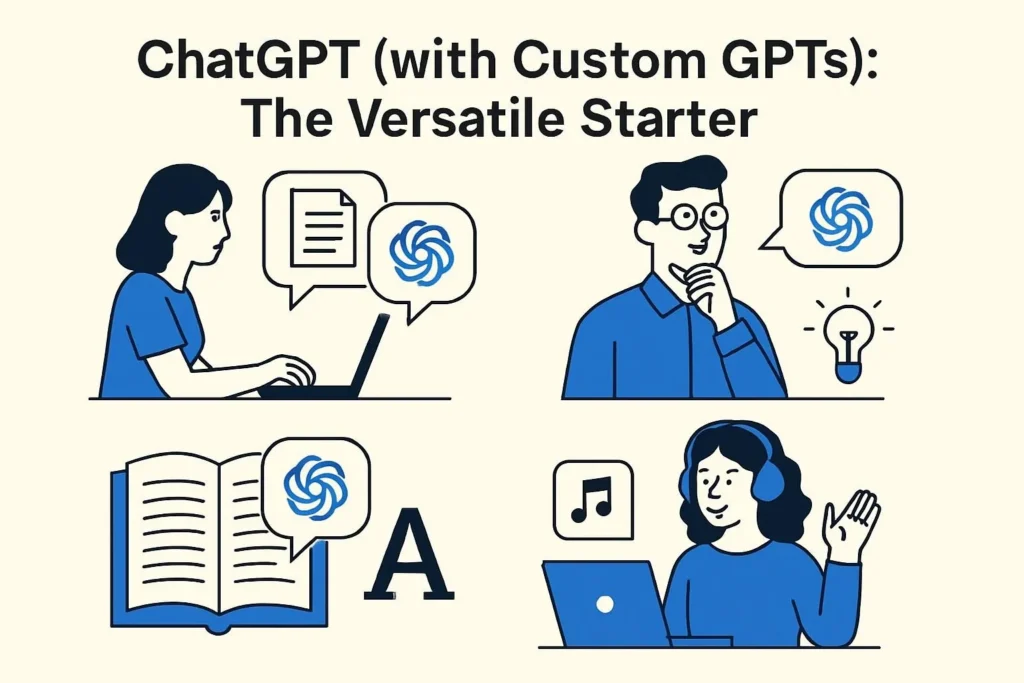
The most honest thing I can say about ChatGPT for story generation: it’s the best starting point and a mediocre finishing point. It’s extraordinarily capable for brainstorming plot directions, generating dialogue options, unsticking a scene you’ve written yourself into a corner on. It is genuinely bad at maintaining narrative continuity across a long project unless you aggressively manage the context window yourself.
The free tier is surprisingly functional for occasional use. The Plus tier unlocks GPT-4o and significantly better instruction-following. The Custom GPTs feature — where you can set up a persistent story context — partially addresses the memory problem, but requires setup work.
Per Life Note’s 11-tool comparison: ChatGPT “excels at style mimicry and dialogue but tends to veer off-plot” in longer generation runs. That’s accurate in my experience. Great at sentences. Needs supervision over chapters.
05 —Jasper AI
7-day trial
Jasper gets included in AI story generator roundups constantly, and it doesn’t belong there. It’s a marketing copy tool. Good at what it does — brand voice replication, SEO-optimized blog content, email sequences, ad copy. If you’re a marketing team scaling content production, it’s a legitimate option.
For fiction? SidekickWriter’s 2026 comparison puts it plainly: “for long-form narrative or deep academic research, Jasper’s generic model orientation often results in repetitive, fluffy content that needs heavy editing.” That’s been the consistent finding in honest reviews for two years running.
The pricing also makes no sense for individual writers. $39/month is marketing team budget, not novelist budget. If you’re a solo fiction writer who’s seen Jasper recommended somewhere — skip it, use Sudowrite or ChatGPT instead.
06 —Claude (Anthropic)
Pro at $20/mo
Claude is the tool most serious writers are using for a specific sub-task: feedback and revision. Its long context window (up to 200K tokens on Pro) means you can paste an entire manuscript and ask targeted questions about pacing, character consistency, or plot holes. It gives genuinely useful editorial feedback, not just generic “this is good” encouragement.
For raw story generation, it’s capable but more conservative in creative risk-taking than GPT-4 variants — it tends toward cleaner, more polished prose that can read as slightly safe. Life Note’s comparison found Sudowrite’s Muse model preferred 2:1 over Claude 3.7 Sonnet specifically for fiction prose generation. That’s directional, not a settled verdict — different styles will respond differently.
Worth noting: Anthropic is the defendant in Bartz v. Anthropic — the AI training copyright case that went partially in their favor in June 2025. Tier 3 — public record, not dispositive on output quality
07 —Rytr
Unlimited from $29/mo
Rytr fills a specific niche: you need a lot of short-form content — social posts, brief story hooks, product descriptions, blog outlines — and you don’t want to pay for a premium tool. Its free tier is genuinely useful for that. The tone slider (whimsical to noir, various options) is a decent feature for quick experimentation.
The ceiling is low. It maxes out as a short-form tool. You won’t write a novel in Rytr. You might write a hundred social media captions or a dozen 1,000-word blog posts, and for that use case the price-to-output ratio is probably the best on this list.
—Quick Comparison
| Tool | Best for | Free tier? | Starts at | ⚠ What they don’t advertise |
|---|---|---|---|---|
| Sudowrite | Serious fiction writers, novel production | 7-day trial | $19/mo | Steep learning curve; useless for non-fiction or marketing; expensive relative to general LLMs |
| NovelAI | Genre fiction, fanfic, world-building | Very limited | $10/mo | Model quality lags behind GPT-based tools; requires technical configuration; development pace is slow |
| ChatGPT | Beginners, brainstorming, short-form | Yes | $20/mo (Plus) | No native long-form memory; drifts off-plot over extended generation; requires active context management |
| Jasper | Marketing teams, brand copy | 7-day trial | $39/mo | Not a story generator despite marketing; repetitive for fiction; priced for teams, not individual writers |
| Claude | Editing, feedback, long-context analysis | Yes | $20/mo (Pro) | More conservative creative output than GPT-4o; better for revision than generation |
| Rytr | Short-form volume content, tight budgets | Yes (10k chars) | $29/mo (unlimited) | Low ceiling; not suited for anything over ~2,000 words; output quality reflects the price |
08 —The Legal Situation (Don’t Skip This)
The copyright landscape around AI-generated content shifted meaningfully in 2025, and most roundups don’t mention it because it’s complicated and slightly inconvenient.
Three relevant things happened in 2025, per the Copyright Alliance’s January 2026 litigation review:
Fair use on training data is contested, not settled. The Bartz ruling (June 2025) found AI training on books “transformative.” The Thomson Reuters ruling (February 2025) found AI training on copyrighted headnotes was not protected. Two different courts, two different outcomes, same year. Any claim that “AI training is legal now” or “AI training is illegal now” is overstating what the courts have said.
Amazon KDP actively limits AI-generated publishing. The three-book-per-day cap and AI disclosure enforcement are real. If you’re publishing fiction commercially through KDP, you need to understand their current policy and disclose accordingly.
You own copyright on AI-assisted fiction if you make the creative decisions. The current legal framework is: AI as tool, you as author. The moment you’re using AI as a ghostwriter — providing minimal direction, publishing the raw output — the copyright position gets murkier. Edit. Make real decisions. That’s what establishes your authorship.
Cross-source synthesis
Combining the KDP enforcement changes, the unsettled fair-use case law, and Amazon’s disclosure requirements produces a conclusion that doesn’t appear in any single source: commercial fiction writers using AI tools now face a three-layer compliance question simultaneously — copyright in outputs, training data liability exposure in whatever tool they’re using, and platform-specific disclosure obligations. None of those three layers has been definitively resolved. Operating commercially in this space requires treating all three as live risks, not resolved questions.
—Who Should Skip AI Story Generators Entirely
Not everyone should be using these tools. I’m serious.
For: Writers Who Care About Voice
AI output will flatten your style if you’re not careful
Here’s what this actually is: a regression-to-the-mean machine. These models are trained on enormous corpora of text, which means they generate competent, average prose. The quirks, rhythms, and idiosyncrasies that make a writer’s voice distinctive are exactly what gets smoothed out.
If you use AI to generate first drafts that you then heavily rewrite — great, it’s a scaffolding tool. If you use AI to generate prose that you lightly edit and publish, you will, over time, start writing like the AI. That’s not a metaphor. It’s a documented feedback loop.
Stop doing this: Stop using AI to generate dialogue for characters with distinctive voices. ChatGPT doesn’t know how your character actually talks. You do. Generate the structural elements — plot beats, setting description, exposition — and write the voice yourself.
For: Content Marketers and Business Writers
You’re almost certainly using the wrong category of tool
Jasper exists for you. So does Copy.ai. The fiction-focused tools on this list (Sudowrite, NovelAI) are going to frustrate you because they’re optimized for narrative logic, not conversion optimization. Using Sudowrite to write a landing page is like using a novel-writing MFA program to write a product description. Wrong context.
The more useful question for your use case: which general-purpose LLM has the best integration with your publishing workflow and the brand voice training you need? That’s a different evaluation than this one.
Stop doing this: Stop paying for specialized fiction tools to write marketing copy. ChatGPT Plus and a good system prompt will outperform Sudowrite on ad copy. Save the $19.
—Bottom Line
You probably need one tool, not seven. Figure out which category your work falls into — fiction, marketing, short-form volume — and pick the specialist for that category. Don’t pay for Jasper if you’re a novelist. Don’t expect Sudowrite to write your email sequences.
For most people starting out: ChatGPT free tier, get a feel for AI-assisted writing, see what role it actually plays in your process. Then specialize. If you’re a fiction writer putting in serious hours, Sudowrite at $19/month is probably worth it once you’re past the learning curve.
The legal situation is messy and will remain messy for a few more years while the courts work through it. Disclose when platforms require it. Edit enough to have genuine authorship. Run commercial work through a plagiarism checker.
That’s it, basically. The rest is preference.